Best Moisturizer for Dry Skin: Thick or Lightweight?
 Olivia Monroe- I'm passionate about empowering others through natural beauty practices.
Dry skin is a common concern, particularly for individuals past the age of 40, when the skin's inherent oil production begins to decline significantly. This shift often leaves people searching for the ideal moisturizer to combat dryness effectively. Many products marketed for dry skin are packed wit
Dry skin is a common concern, particularly for individuals past the age of 40, when the skin's inherent oil production begins to decline significantly. This shift often leaves people searching for the ideal moisturizer to combat dryness effectively. Many products marketed for dry skin are packed with occlusives—essentially heavy oils that create a thick, oily sensation upon application. But the pressing question remains: does this greasy texture genuinely address the underlying causes of skin dryness, or is it merely a superficial fix?
The Evolution of Moisturizers Over Time
The practice of using moisturizers to soothe dry skin has ancient roots, stretching back thousands of years. Early civilizations relied on natural substances such as animal fats, lanolin extracted from sheep's wool, oils from almonds and olives, and beeswax. These ingredients imparted an oily texture to the skin, helping to reduce feelings of tightness and promoting a smoother, more supple surface.
By the 19th century, innovations like cold cream emerged, followed shortly by the introduction of petroleum jelly. Both of these provided that familiar oily layer, offering temporary relief from the discomfort of tight, dry skin.
As cosmetic science and dermatology advanced, moisturizers evolved into more sophisticated formulations. Modern products incorporate not just occlusive oils, but also water and emulsifiers to create stable emulsions. Today, skincare brands continue to refine their offerings to better suit contemporary needs for dry skin hydration. However, despite these advancements, many formulas still fall short of truly resolving chronic dryness at its core.
Why Do We Think Heavy, Oil-Based Moisturizers Are Ideal for Dry Skin?
Several factors have perpetuated the belief that thick, oil-laden moisturizers are the ultimate solution for dry skin.
- Instant visual appeal from oils. When oils are applied, they create an immediate sheen that catches the light, making the skin appear healthier and more radiant at first glance. This superficial glow can trick us into thinking the dryness has been resolved, even though the issue persists beneath the surface.
- Temporary comfort illusion. The greasy film from these products softens the skin's texture, eliminating that characteristic pulling or tightness when you smile, speak, or make facial expressions. Many people equate this sensation with well-hydrated skin, but it's merely a short-lived sensory experience rather than a true correction of dehydration.
- Generational skincare traditions. For generations, heavy occlusive-based moisturizers have been the go-to recommendation, passed down from mothers and grandmothers who served as our earliest skincare authorities. This longstanding habit has ingrained the expectation that dry skin demands something substantial and topical.
Essential Needs of Dry Skin for True Relief
To effectively manage dry skin, it's crucial to understand its fundamental requirements beyond just a heavy cream.
- Primary hydration through water. Regardless of whether your skin is dry or oily, hydration from water is non-negotiable. Skin cells thrive in a moist environment, much like fish in water. Incorporate a toner applied within 60 seconds post-cleansing, leaving your skin damp. Follow with a serum enriched with hyaluronic acid or other humectants to deliver deep, plumping moisture before sealing it in with your moisturizer.
- Supplemental oils for dry types only. While oily skin naturally produces sufficient lipids, truly dry skin benefits from added oils to replenish what’s missing.
- Advanced moisturizer formulations. The best options for dry skin deliver both hydration and oils without merely coating the surface. A product's thickness doesn't dictate its efficacy; innovative textures can penetrate deeper for lasting results.
- Barrier function restoration. Genuine dryness correction happens from within by rebuilding the skin's protective barrier, not just masking symptoms on top. Focus on products that support this internal repair process.
- Steering clear of irritants. Harsh ingredients in everyday products, like certain vitamin C serums, can exacerbate dryness or even cause irritation resembling an acid burn, undermining your efforts.
Key Strategies for Selecting the Right Moisturizer for Dry Skin
Navigating the world of dry skin moisturizers requires a thoughtful approach rather than snap judgments.
- Ignore texture as the sole indicator. Lighter-weight formulas can sometimes outperform heavy ones in terms of hydration and barrier support. Resist the temptation to assume greasiness equals superiority.
- Prioritize barrier-repair claims. When scanning ingredient lists, which can be overwhelming, look for products explicitly designed to restore the skin's barrier—a promising indicator of effectiveness.
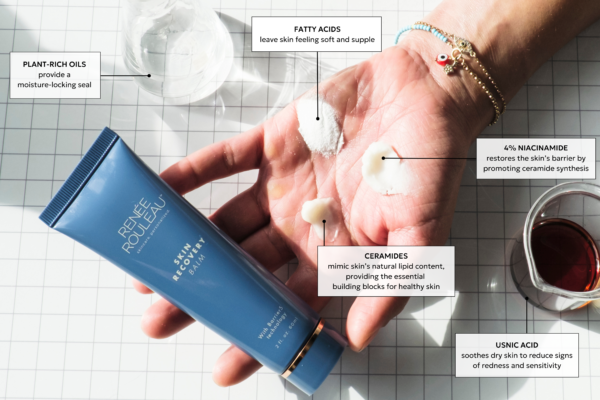
- Seek out powerhouse ingredients. For optimal results, target moisturizers containing niacinamide, linoleic acid, usnic acid, phytosterols, ceramides, shea butter, squalane, vitamin E, dimethicone, and soybean oil, among others. These components work synergistically to heal and hydrate.
- Seek expert guidance. Consult a qualified esthetician or dermatologist who understands skin physiology and can tailor recommendations to your specific dry skin needs.
Interestingly, effective barrier repair doesn't always require oily occlusives. Even oily or acne-prone skin, which doesn't crave extra oils, can suffer barrier damage from aggressive acne treatments. The right non-greasy formulas can make a transformative difference.
Timeline for Seeing Results from an Effective Dry Skin Moisturizer
The skin's natural renewal cycle spans approximately 28 days, so patience is key when introducing a new moisturizer. Flaky, dry patches must shed as healthier cells emerge, revealing softer, more resilient skin over time.
Consider lightweight yet potent options that prioritize barrier health over heaviness. Advanced formulas with technologies mimicking the skin's natural lipids can hydrate deeply without greasiness, absorbing fully to create a protective second-skin layer. Initially, you might notice a tacky feel from humectants like glycerin and propanediol, which draw in and secure moisture. As it sets, the real work begins: overnight barrier restoration leading to velvety, nourished skin by morning.
For those who enjoy a more indulgent ritual, layering with a richer treatment or oil can enhance the experience, though the base product alone suffices for sustained moisture and barrier integrity.
Final Thoughts on Revolutionizing Your Dry Skin Routine
With decades of hands-on experience analyzing thousands of skin types, I strongly advocate rethinking your daily moisturizing habits. This essential step deserves a formula that goes beyond surface-level relief. Ditch the reliance on outdated, overly thick greasers—they simply can't deliver comprehensive repair. Opt instead for intelligent dry skin moisturizers that rebuild from within, paving the path to luminous, healthy, dewy skin that truly radiates vitality every day.
Subscribe to the newsletter
Join 50,000+ others who get our content first. No spam, ever.