Guide to Launching a Street or Borrow Library in Australia
 Olivia Monroe- I'm passionate about empowering others through natural beauty practices.
You've likely noticed them in your neighborhood. These are colorful cabinets placed along sidewalks or next to fences, stocked with well-loved novels and featuring a simple handwritten message: "Take a book, leave a book."Street libraries, also known as borrow libraries, represent a burgeoning initi
You've likely noticed them in your neighborhood. These are colorful cabinets placed along sidewalks or next to fences, stocked with well-loved novels and featuring a simple handwritten message: "Take a book, leave a book."
Street libraries, also known as borrow libraries, represent a burgeoning initiative focused on sharing existing resources, whether they be books, plants, or seeds. These setups are straightforward, bring delight to participants, and prove remarkably successful in fostering connections among local residents.
At their core, these libraries embody sustainability beyond mere purchasing decisions. They emphasize communal living practices, such as resource sharing, reusing available items, and establishing modest interaction points within communities. These efforts collectively contribute to building more robust and adaptable neighborhoods.

The Fundamentals: Steps to Establish a Street Library
Setting up your own street library involves several key considerations to ensure its success and longevity.
- Select an ideal location – Opt for areas like your front yard, the roadside verge, a community garden, school grounds, or a public park. The spot should be easily reachable and prominently visible to attract users.
- Decide on the enclosure type – You can use a specially designed library box, a repurposed kitchen cupboard, an old refrigerator, a pre-owned bookshelf, or even a durable, weather-resistant container.
- Ensure protection from the elements – Apply waterproof sealant or paint, install a small overhang or secure door, and elevate the structure off the ground to prevent moisture damage to the contents inside.
- Provide clear signage – Create an eye-catching hand-painted sign or a professionally printed poster displaying messages like "Borrow, swap, share" to immediately convey the purpose and encourage participation.
- Maintain freshness regularly – Perform a brief weekly inspection to refresh the inventory, discard any damaged items, and introduce new additions to keep the collection appealing.
Examples of Thriving Street Libraries Across Australia
Throughout Australia, countless small-scale libraries have emerged, with thousands now in operation. Organizations like Street Library Australia even offer tools to locate and register these community gems, highlighting their widespread popularity.

In Sydney, Sarah Collins launched the Carshalton Street Plant Exchange in 2023 by placing a basic shelf outside her home. It frequently holds cuttings from frangipani, daisies, basil plants, and sometimes even blueberry bushes.
"As a gardener, I find it hard to discard plants that propagate easily. I decided to offer them to nearby gardening enthusiasts instead."
This exchange shelf has evolved into a favored neighborhood hub where residents exchange cuttings, engage in conversations, and carry home fresh greenery.
Meanwhile, on another Sydney street, Kelly has maintained her front-yard plant library for over two years. Beginning with surplus cuttings, it now draws regular visitors. "I've long believed gardens should be shared. If it costs nothing extra, why not pass it along?"


Creative Concepts for Various Borrow Library Types
Book Libraries
This is the most accessible type to initiate. All that's required is a protected container, such as a recycled cupboard, filing cabinet, or a ready-made library kit. Give it a vibrant paint job for visibility, stock it initially with several books to kickstart the collection, and allow neighbors to contribute over time. For families with children, positioning a shelf at kid-friendly heights encourages their involvement.
Helpful advice: Cookbooks and children's titles tend to circulate quickly, so source additional copies from thrift stores or yard sales to replenish supplies.
Seed Libraries
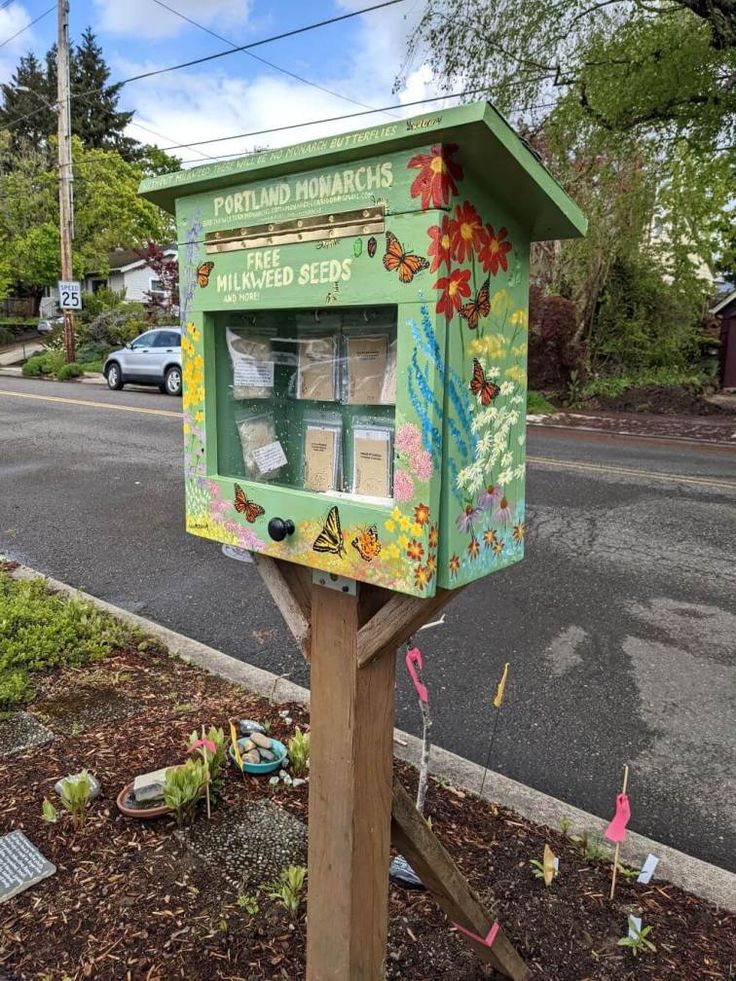
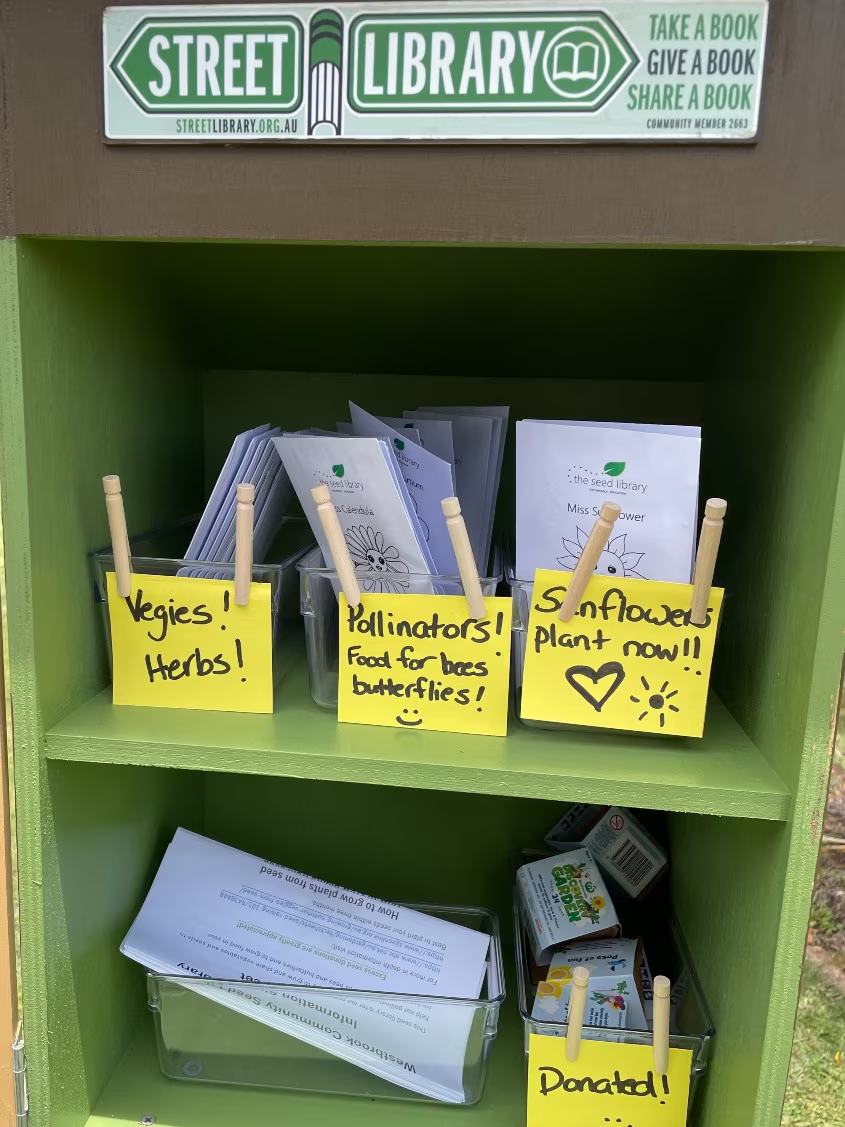
Ideal for gardening enthusiasts or those promoting homegrown produce. Collecting and distributing seeds preserves heirloom varieties, especially natives. Include pollinator-friendly flowers like Chrysocephalum apiculatum (yellow buttons) or Brachyscome (cut-leaf daisy), alongside edible options such as warrigal greens or Prostanthera native mint bush, enhancing Australian backyard ecosystems.
Helpful advice: Store seeds in jars, metal tins, or labeled envelopes with planting instructions. A converted mailbox or compact drawer unit serves as an excellent, shielded seed depot.
Plant Libraries
Excellent for gardeners dealing with excess propagation. Transform surplus plants into a shared asset, helping neighbors establish wildlife-friendly spaces. Herb and vegetable seedlings offer beginners an easy entry into self-sufficiency.
Utilize a crate, shelf, or dedicated stand. Attach tags to pots detailing the plant species and care requirements, such as "prefers full sun, bee-attracting" or "thrives in shade, drought-resistant." These details assist users in selecting appropriate plants for their conditions, boosting success rates.
Helpful advice: Prioritize biodiversity boosters like native blooms, bird-nesting shrubs, and lizard groundcovers to evolve your library into a localized rewilding initiative.
Tool and Toy Libraries
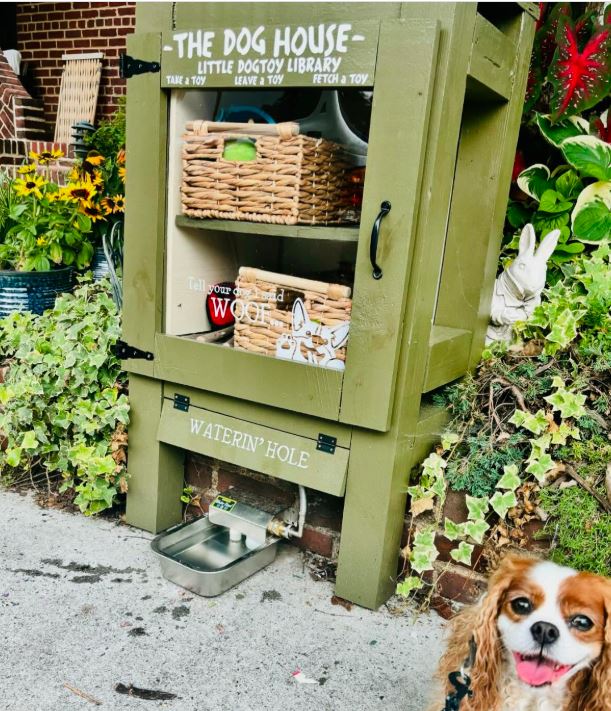
These require additional organization but deliver substantial benefits. Toy exchanges divert plastic waste from landfills while providing children with variety minus the accumulation. Tool lending reduces unnecessary purchases of seldom-used equipment like drills or sanders. Begin modestly with extras you're willing to share, and implement a simple log or group messaging for tracking.
Helpful advice: Combine with skills-sharing events where borrowers learn usage from experts, fostering self-reliance and neighborhood expertise.


Strategies for Sustaining Your Borrow Library
To ensure long-term viability, consider these practical approaches.
- Begin modestly – Books or seeds offer the simplest entry points.
- Infuse character – Use bold colors, decorative art, or a chalkboard for messages and notes.
- Leverage digital promotion – Announce it in local social media groups to reach more people.
- Promote courteous use – A well-maintained appearance naturally inspires adherence to the "take one, leave one" guideline.
These community libraries act as modest gestures of kindness with far-reaching effects. They conserve resources, ignite dialogues, and reaffirm the value of sharing in daily routines, strengthening social bonds and environmental stewardship.
Subscribe to the newsletter
Join 50,000+ others who get our content first. No spam, ever.