Overcoming Internalized Ageism in Everyday Life
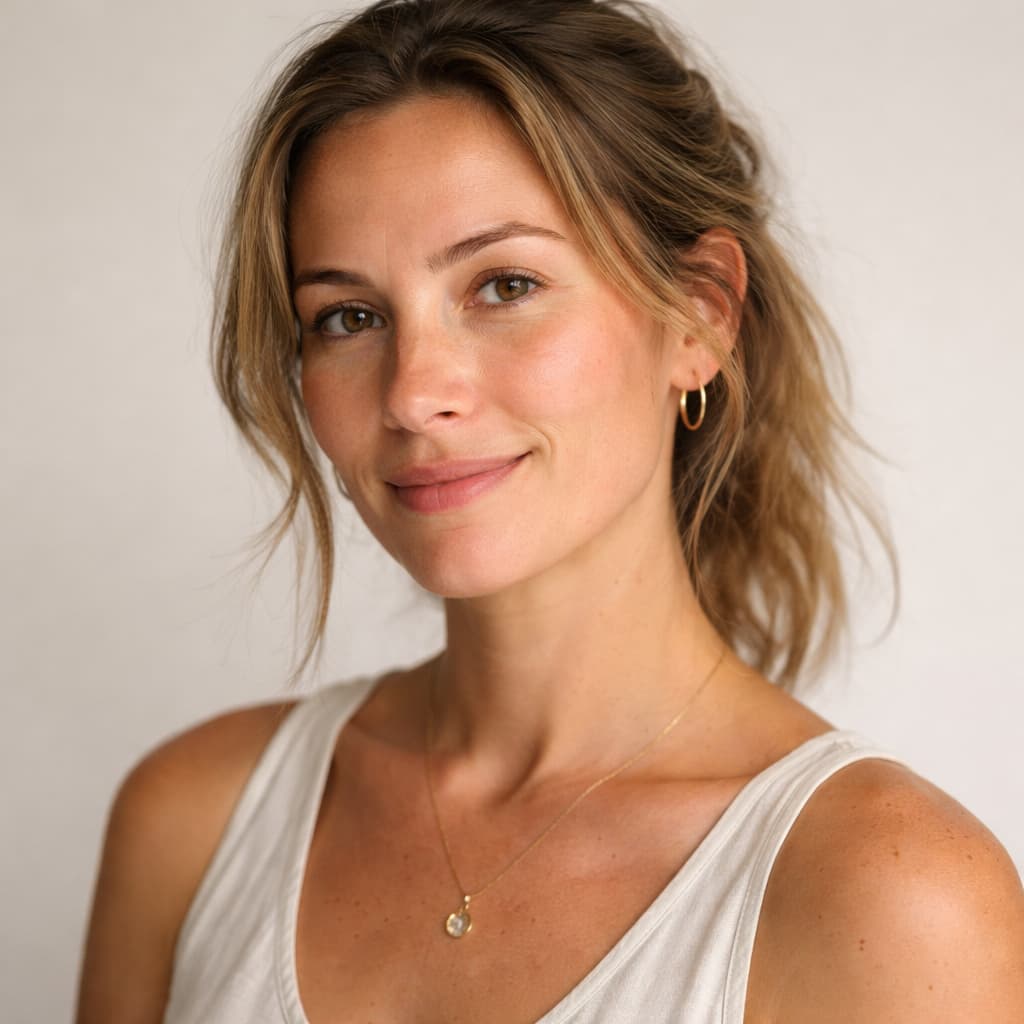

Just last evening, an elderly gentleman sporting a white beard from my apartment complex unexpectedly categorized me alongside his own age bracket. As he spoke about the other inhabitants in our expansive 1,100-unit high-end residential tower in New York City, he remarked along the lines of, “They’r
Just last evening, an elderly gentleman sporting a white beard from my apartment complex unexpectedly categorized me alongside his own age bracket. As he spoke about the other inhabitants in our expansive 1,100-unit high-end residential tower in New York City, he remarked along the lines of, “They’re not like us,” while pointing directly at me. This wasn’t a nod to any rap lyrics. Instead, he was unmistakably placing me within his exclusive group of those with “distinguished silver locks.”
I responded with a courteous nod, masking my surprise, as my internal monologue erupted: Excuse me? Do I appear to belong to the “freshly minted AARP member” category?
Was he genuinely perceiving me as his contemporary? How could he presume such a thing? Was there something about my appearance shouting “senior status,” or had I unwittingly passed some invisible “silver hair milestone” without realizing it?
I had always viewed him as one of the senior figures in the building—a pleasant individual, no doubt, but somewhat of an anomaly amid a sea of vibrant twenty- and thirty-somethings in professional roles, along with college students who might still associate “Rolodex” with a retro social media effect. Yet there he stood, casually assigning me to the “senior” classification. What response was expected from me? Greetings, comrade in antiquity?
Needless to say, I ruminated on this encounter. Why had it unsettled me to such a degree?
Alright, perhaps I’m technically past the midpoint of life’s journey. But does that truly matter? I position myself as an advocate for pro-aging principles, promoting authentic beauty, holistic health, and the art of maturing elegantly. Moreover, I’m the innovator behind face yoga, a practice I follow with unwavering dedication (and it truly delivers—my facial skin feels rejuvenated, as if pampered at a luxury resort). I’m not merely combating ageism from afar. I embody it. I integrate it into my lifestyle. I share it with others.
To clarify further—I’m the type who can don yoga leggings from dawn till dusk and still project the image of someone prepping for an Ironman competition… without it seeming boastful (well, perhaps just a smidge). At 57, nearing 58, my physical condition surpasses what it was during my thirties. However, simply because I could likely outpace many on a cardio machine doesn’t shield me from personal doubts. Believe me, I’ve invested considerable time pondering if I’ve “outgrown” specific prospects. That very vulnerability is precisely why this interaction struck such a deep chord.
I qualify for AARP membership. AARP, folks.
So, what’s the root of this discomfort?
It dawned on me that I’m grappling with internalized ageism.
What Exactly Constitutes Internalized Ageism?
One might assume that internalized ageism manifests when someone older begins fabricating reasons to abandon their aspirations—such as pivoting to a fresh career path, securing a novel employment opportunity, or mastering the self-service kiosk without setting off every alarm in the vicinity.
Statements like, “I’d adore landing a new position… a promotion… acquiring a fresh ability… but I’m past my prime.”
Or, “I yearn to slip into that short skirt. My legs remain toned, yet what judgments might others pass?”
Or even, “I dream of showcasing my cabaret performance, but who desires an aged woman gripping a mic under the spotlight?”
These represent quintessential illustrations, don’t they? They’re so commonplace they almost feel redundant to highlight. Yet, the reality persists: these subtle murmurs regarding the passage of time afflict us all eventually, irrespective of our chronological age.
However, here’s the surprising twist: internalized ageism recognizes no chronological boundaries. It can ambush individuals at any stage of life.
I recall being just 15 and yearning to pick up the bass guitar. Yet, I dissuaded myself because I convinced myself it was “too late.” I harbored this odd conviction that absent virtuoso status by mid-teens, the endeavor was futile. Back then, I failed to recognize that this dread of imperfection was my self-imposed barrier. Rather than jamming in a rock band, I opted for caution. Who can say? I might have evolved into a bass-wielding, stadium-filling sensation today—the distaff counterpart to Flea!
It’s amusing how often I’ve whispered “too late” to myself over the years.
“Too late” echoed in my mind when contemplating a career transition.
“Too late” resurfaced when mulling a college switch.
“Too late” lingers even now as I contemplate fully committing to my acting pursuits or at last completing my memoir.
Could ageism merely serve as a covert mask for our perfectionist tendencies? Is it the costume our inner skeptic dons whenever we itch to soar but fear appearing ridiculous? For me, the response is an unequivocal absolutely.
Consider this: humanity is experiencing unprecedented longevity. Advances in medical science have extended our average lifespans dramatically. Regimens centered on fitness and well-being (shoutout to face yoga) grant us additional years to maintain vitality and appearance. Statistically, women outlive men, so how shall we utilize those extra decades?
Conversely, mortality remains inevitable for everyone, with the timing unpredictable. Thus, why hesitate to enroll in that art workshop, master the cha-cha, or experiment with a new professional role? I might have four more decades ahead—ample opportunity to stir up meaningful mischief.
Truth be told: we’re here to live, so let’s commit to thriving. Let’s step one foot free from the metaphorical grave and seize the present moment fully.
At the same time, societal demands to preserve a youthful visage have skyrocketed. With an aging populace, escalating capitalist pressures (coupled with diminishing public support systems and tech poised to displace workers across generations), the quest for eternal youth transcends mere aesthetics. It’s become a matter of economic and social endurance. In our society, crossing a particular age threshold carries tangible repercussions. Society might as well issue you a knitted sweater and instruct you to retire to the sidelines unobtrusively. We don’t abandon the elderly to the elements like some tribal ritual. If fortunate, we relegate them to assisted living facilities. Small wonder, then, that we recoil from adopting the “elder” label. It garners neither reverence, safeguarding, nor esteem.
Should we permit the din proclaiming our irrelevance to paralyze us, we risk stagnation and decline. Worse still, we might frantically mimic the youth through injections, fillers, and digital enhancements until our reflections become strangers.
The moment has arrived to cease the charade of impersonation. It’s time to wholeheartedly accept our authentic selves—flaws exposed, with boldness and assurance. To cherish each day and revel in every 24-hour cycle of existence. And curiously, that’s precisely when we’ll reclaim the vibrancy of youth, be it at 25 or 95.